Why Geopolitical Crises Like the US-Iran Conflict Highlight the Importance of Financial Independence
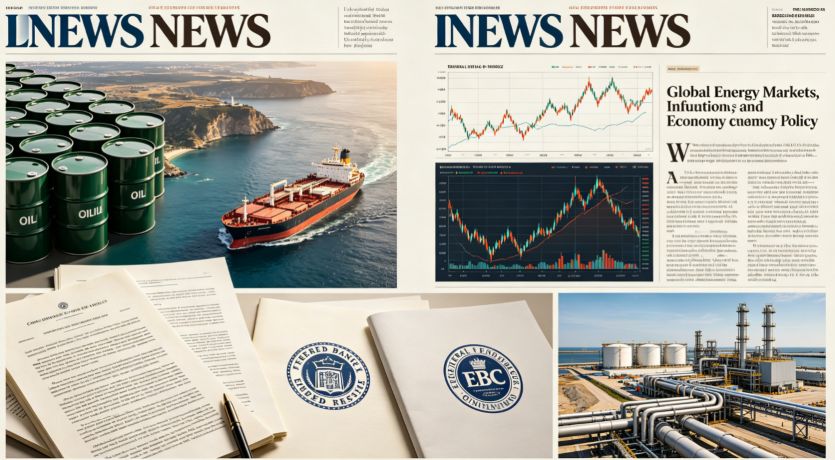
Geopolitical conflicts often influence global energy markets, trade flows, and consumer prices within days. Events involving the United States and Iran have repeatedly demonstrated how regional tensions can affect oil prices, financial markets, and economic confidence. The International Monetary Fund (IMF) and The World Bank have consistently noted that external shocks can create ripple effects that reach households far beyond the countries directly involved.
Periods of uncertainty remind families why financial resilience matters. Rising fuel prices, higher transportation costs, and inflation can reduce purchasing power, making everyday expenses more difficult to manage. Reports from The Organisation for Economic Co-operation and Development (OECD) indicate that inflation driven by supply disruptions places greater pressure on household budgets, especially for lower and middle-income families. Preparing before economic shocks occur can reduce financial stress when unexpected events unfold.
How Global Events Affect Household Finances
Geopolitical instability often disrupts supply chains and commodity markets. Energy prices are particularly sensitive because oil-producing regions play a major role in global supply. Research from the U.S. Energy Information Administration (EIA) shows that concerns about supply interruptions frequently contribute to short-term increases in crude oil prices, which eventually influence transportation, food production, and consumer goods.
Higher prices can quickly reshape household spending priorities. Families may postpone large purchases, reduce discretionary spending, or adjust monthly budgets to accommodate higher living costs. Experts note that these financial adjustments become easier when households have emergency savings and manageable debt levels.
Building a Strong Financial Foundation
The most effective response to economic uncertainty begins long before a crisis occurs. Developing healthy financial habits creates greater flexibility during periods of market volatility.
- Create an emergency fund covering at least three to six months of essential expenses.
- Track monthly spending to identify areas where costs can be reduced if necessary.
- Limit high-interest debt that becomes more difficult to repay during periods of inflation.
- Review insurance coverage to protect against unexpected financial setbacks.
- Update financial goals regularly as economic conditions change.
Studies published by the Consumer Financial Protection Bureau (CFPB) suggest that households with emergency savings are generally better positioned to recover from unexpected financial disruptions, including job loss or sudden increases in living expenses.
Thinking Carefully About Investments
Market volatility often increases during geopolitical crises. While sudden declines can be unsettling, financial professionals generally encourage investors to avoid emotional decisions. Findings from Morningstar indicate that maintaining diversified portfolios and following long-term investment plans has historically produced better outcomes than reacting to short-term market movements.
Diversification across different asset classes can help reduce overall risk. Regular portfolio reviews also allow investors to ensure that their investments remain aligned with their financial objectives and tolerance for market fluctuations.
Preparing for Future Uncertainty
No one can predict when the next geopolitical crisis will occur or how financial markets will respond. Households can, however, prepare by strengthening their financial habits, maintaining adequate savings, controlling debt, and making informed investment decisions. Reports from the Bank for International Settlements (BIS) emphasize that resilient financial systems begin with prudent risk management at every level, including individual households. Building financial stability today helps families face tomorrow’s uncertainties with greater confidence and flexibility.